IJCV · Under Review

Beyond Checkerboards: Advantages of
Photogrammetric Camera Calibration
for Robust 3D Vision and Novel View Generation

Akshay Bharadwaj  ·  Derek D. Lichti

Department of Geomatics Engineering · University of Calgary
Paper Poster (coming soon) Author Page
CF render PSC render
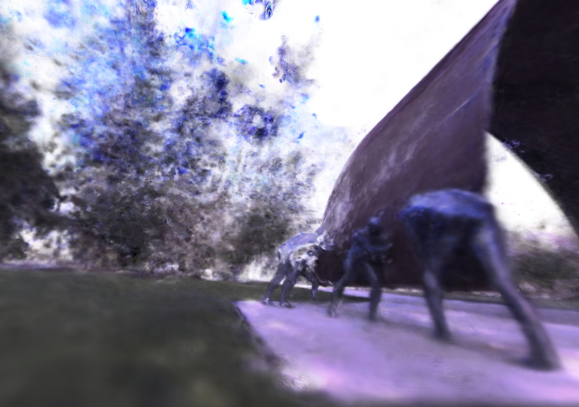
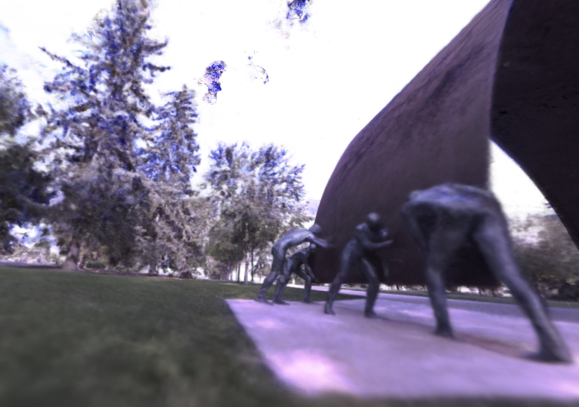
PSC · PSNR 25.46 dB CF · PSNR 20.02 dB ↔ Drag to compare

NeRF novel-view (Nerfacto, 200K steps) — identical training, only calibration differs. Drag the slider to compare.

5.5×
Lower SfM reconstruction errorMAE: 0.209 m → 0.038 m
13×
Lower visual odometry drift16.72 m → 1.21 m (outdoor)
+6dB
Higher NeRF rendering PSNRacross all four scenes
4×
Lower perceptual error (LPIPS)in novel view synthesis

Abstract

Imagery is fundamental to modern scientific research, making robust intrinsic camera calibration indispensable for accurate visual inference. The checkerboard-based calibration method has long been favored for its simplicity, and is widely used even in mission-critical computer vision pipelines. However, its limitations in modeling high-precision camera geometry compromise downstream performance. We revisit intrinsic calibration through the lens of photogrammetric self-calibration (PSC) and show it consistently outperforms checkerboard methods across 3D reconstruction, SfM, visual SLAM, and novel view synthesis.

Core finding: Reprojection error — the universal calibration quality metric — measures how well a model fits 2D image observations. It does not measure 3D accuracy. Checkerboard calibration minimizes reprojection error while leaving residual systematic distortions that compound into order-of-magnitude errors in reconstruction, localization, and synthesis.

Method

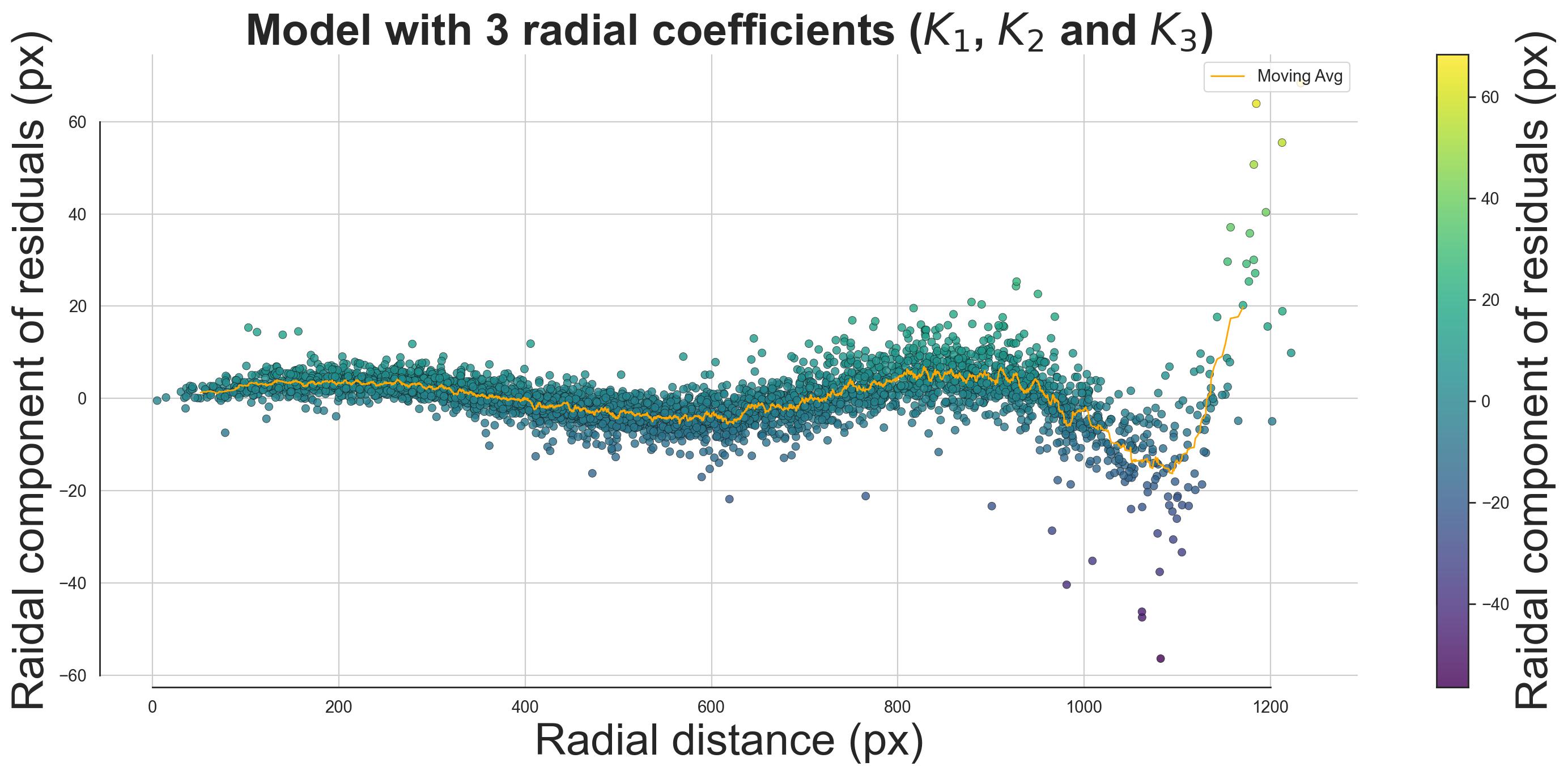
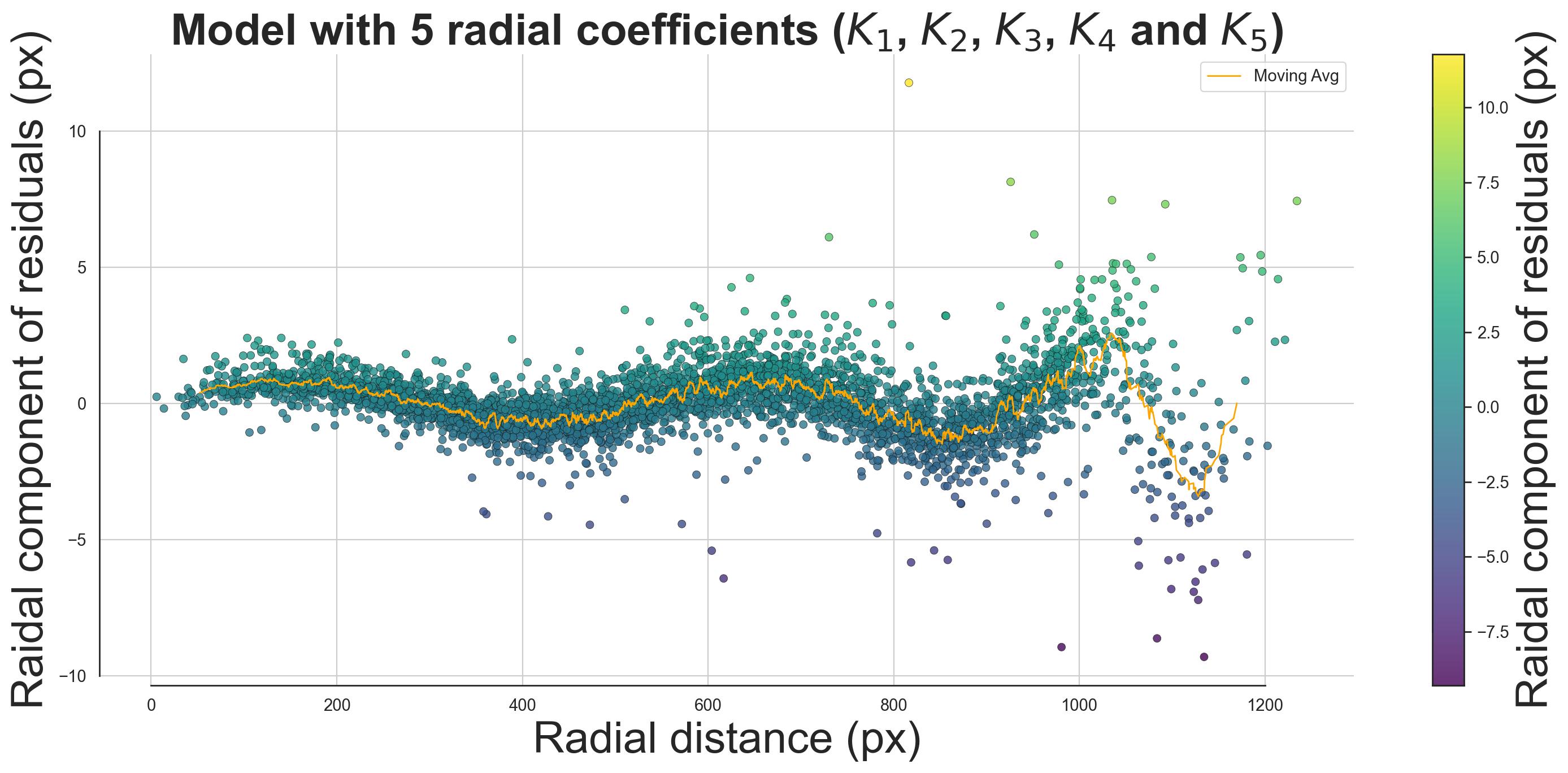
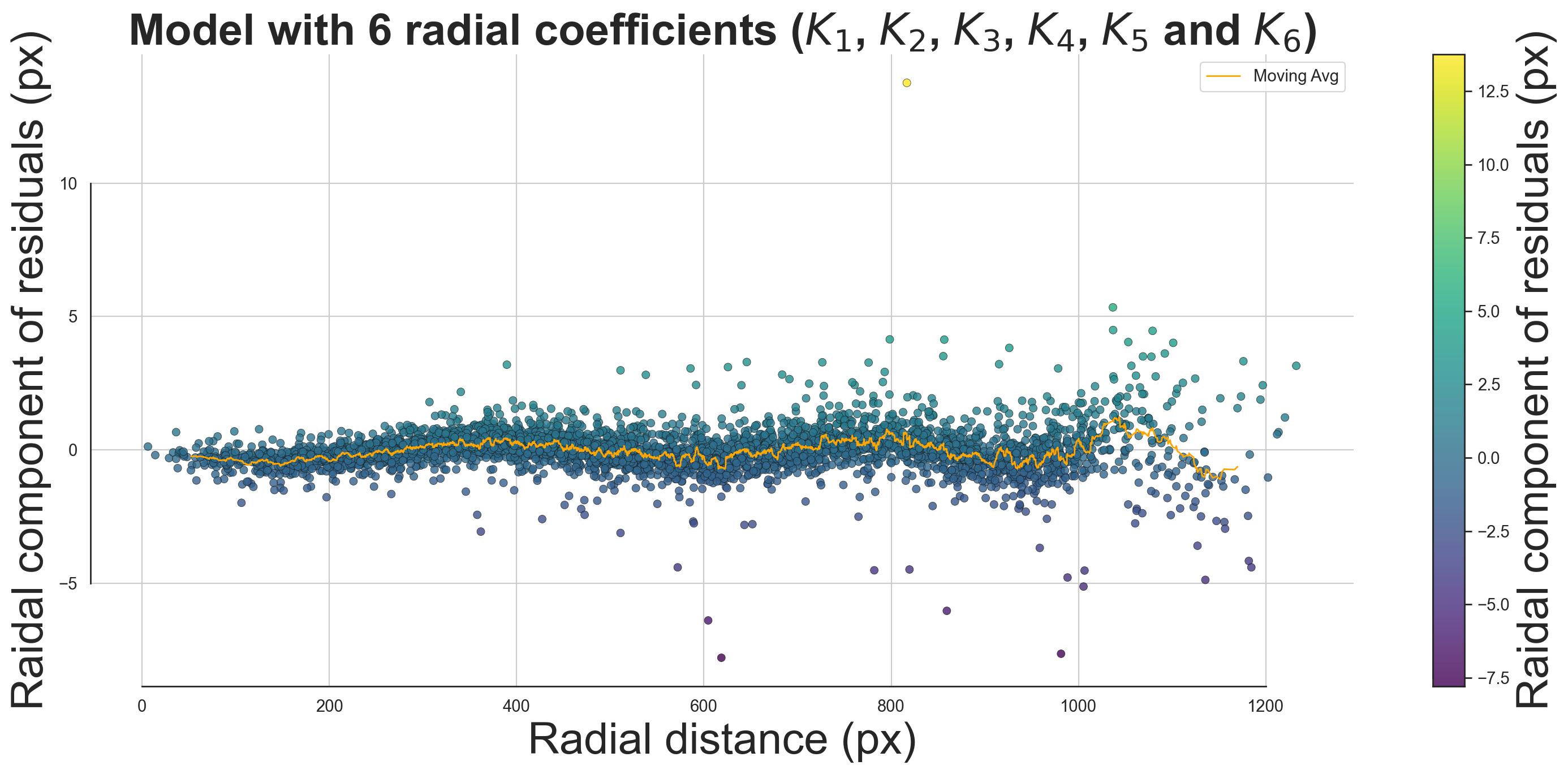
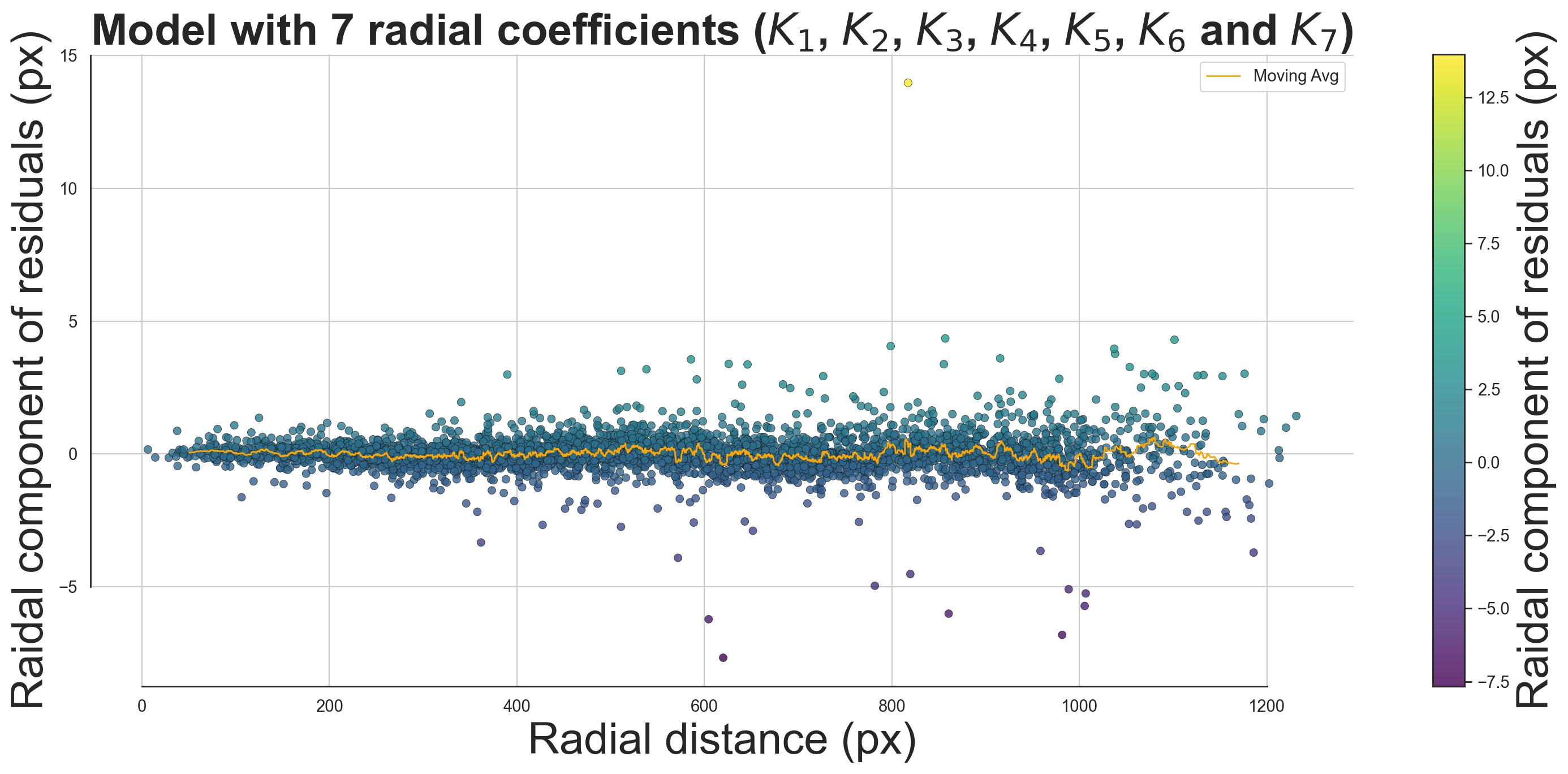
PSC uses a 3D target field with convergent imaging geometry and self-calibrating bundle adjustment to jointly refine interior orientation parameters (IOPs), exterior orientation parameters (EOPs), and target coordinates. The distortion model is selected by iteratively adding radial terms (K₃ → K₇) until all systematic residual patterns vanish.

Camera Model Selection — Radial Distortion Residuals

Residuals are plotted against radial distance after each bundle adjustment. Structured "bow-tie" patterns mean the model is insufficient. Adding K₇ eliminates all systematic error.

K3K₃
Strong systematic pattern
K5K₅
Pattern still present
K6K₆
Nearly eliminated
K7K₇ ✓
No systematic error — selected

SfM 3D Reconstruction

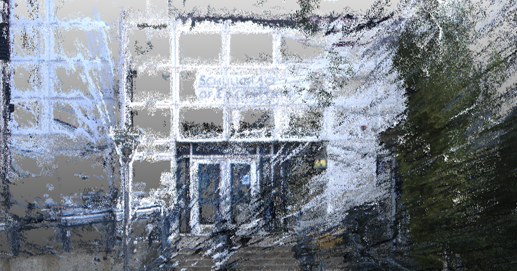
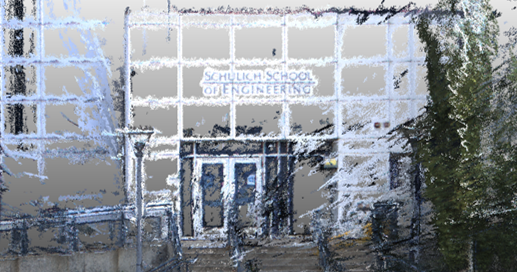
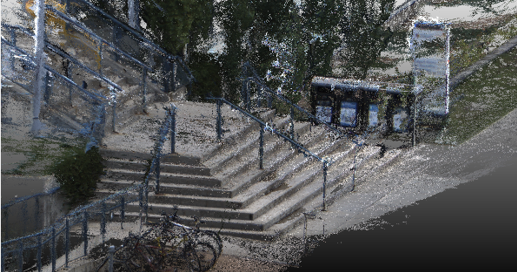
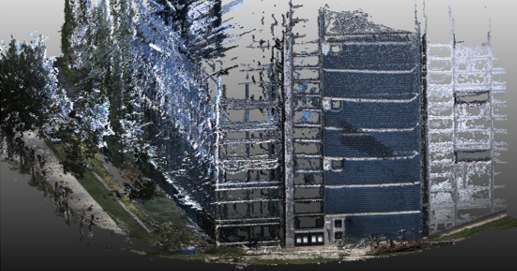
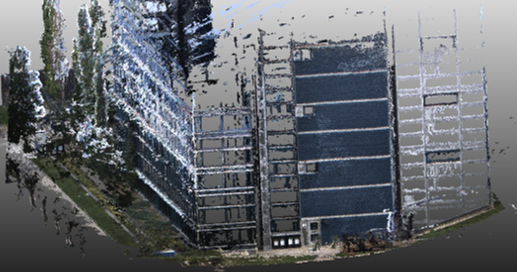
COLMAP + GloMap reconstruct two scenes with fixed intrinsics. Ground truth from a terrestrial LiDAR scanner. PSC reduces MAE by 5.5× (0.209 m → 0.038 m). Errors compound dramatically at outdoor scale — blurring text, distorting geometry, and curving straight façade lines.

CalibrationMAE (m)RMSE (m)Std (m)
Checkerboard CF0.2090.2360.110
PSC (ours)0.0380.0430.020

Errors vs. surveyed LiDAR ground truth.

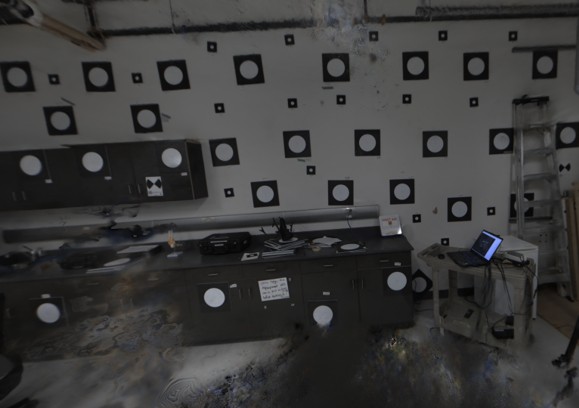
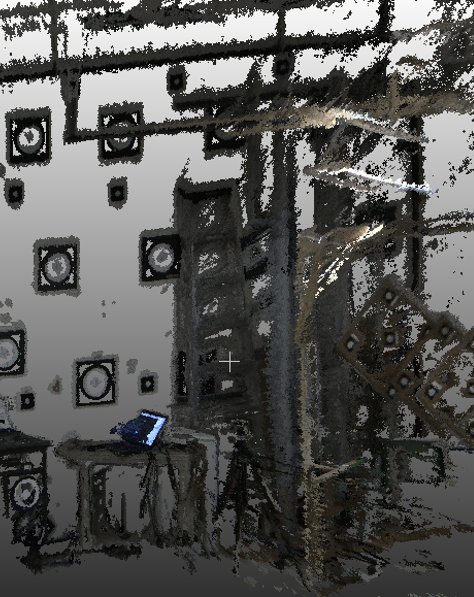
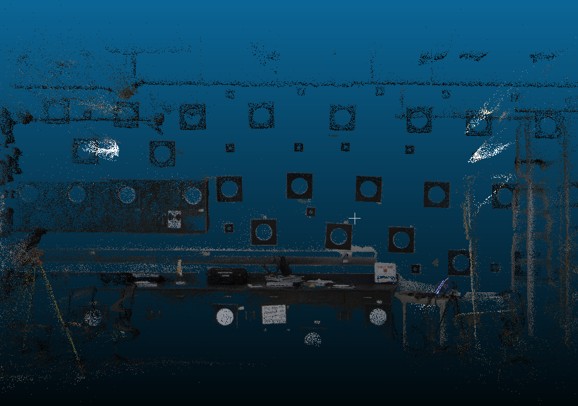
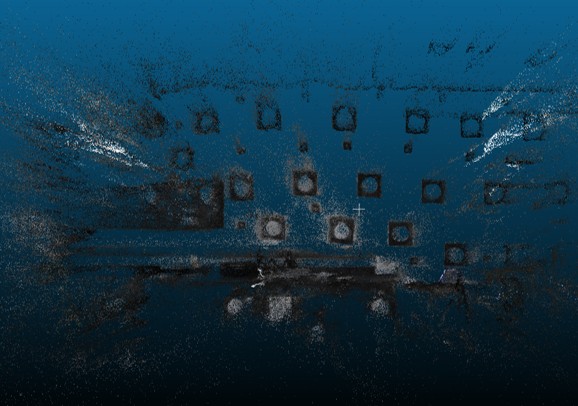
Calibration Laboratory — Indoor

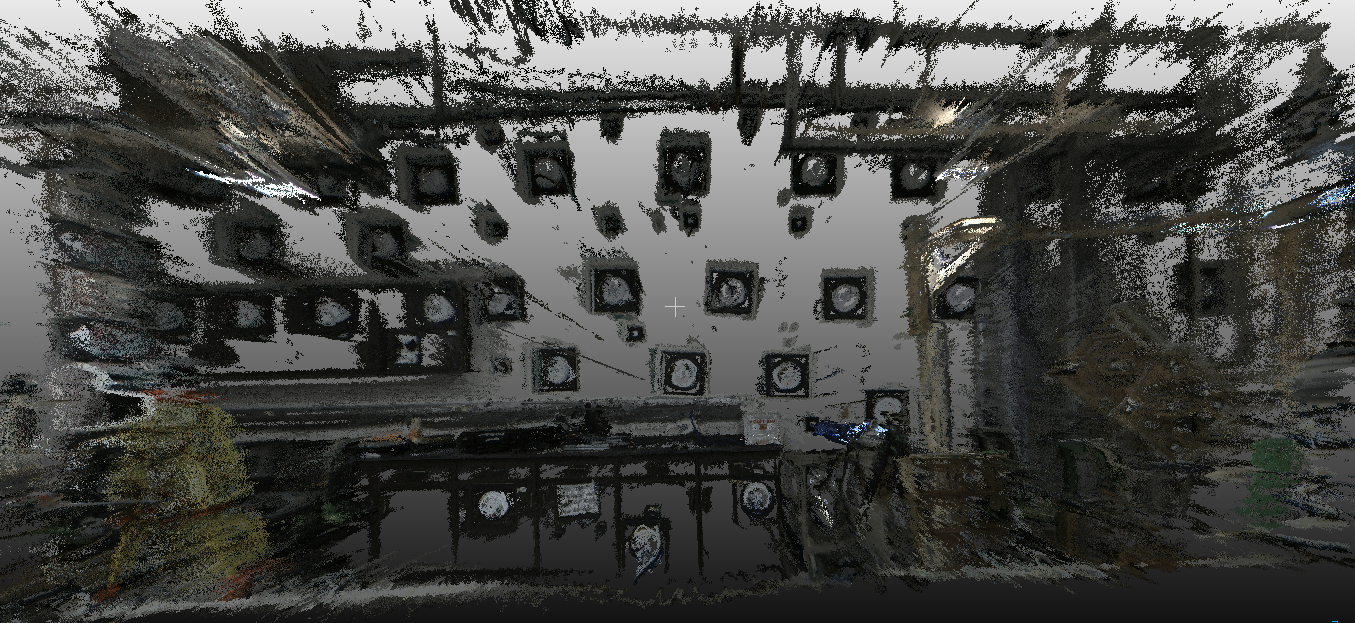
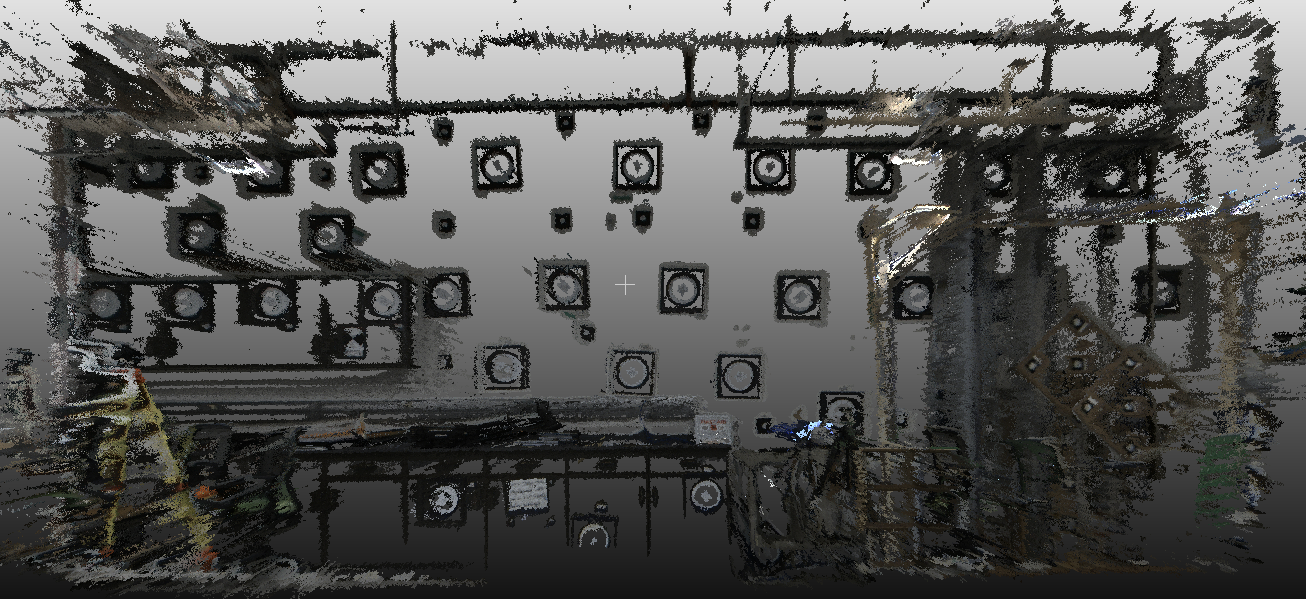
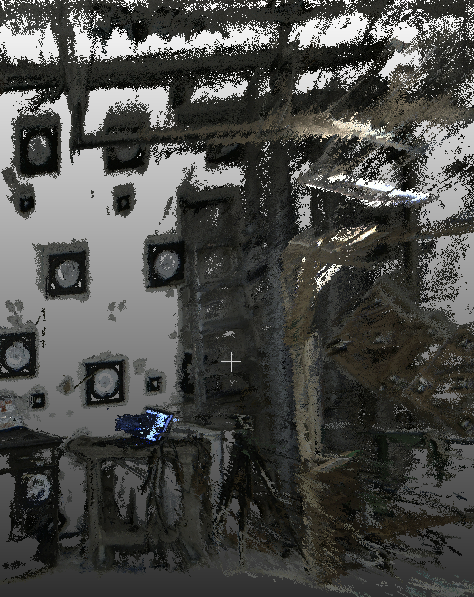
PSC produces tight clusters around ground-control points. CF leaves a visible spread — residual distortion the closed-form solver cannot eliminate.

CF top view PSC top view
PSCCF ↔ Drag
Top view — GCP cluster tightness
CF side view PSC side view
PSCCF ↔ Drag
Side view — point cloud noise
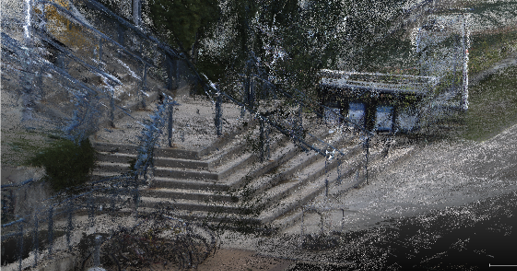
CCIT Building Facade — Large-Scale Outdoor

Drag each slider to compare. PSC preserves sharp text, correct bicycle geometry, and straight vertical lines. CF curves façade lines increasingly with height.

CF 1 PSC 1
PSCCF ↔ Drag
View 1 — text legibility
CF 2 PSC 2
PSCCF ↔ Drag
View 2 — bicycle geometry
CF 3 PSC 3
PSCCF ↔ Drag
View 3 — façade line curvature

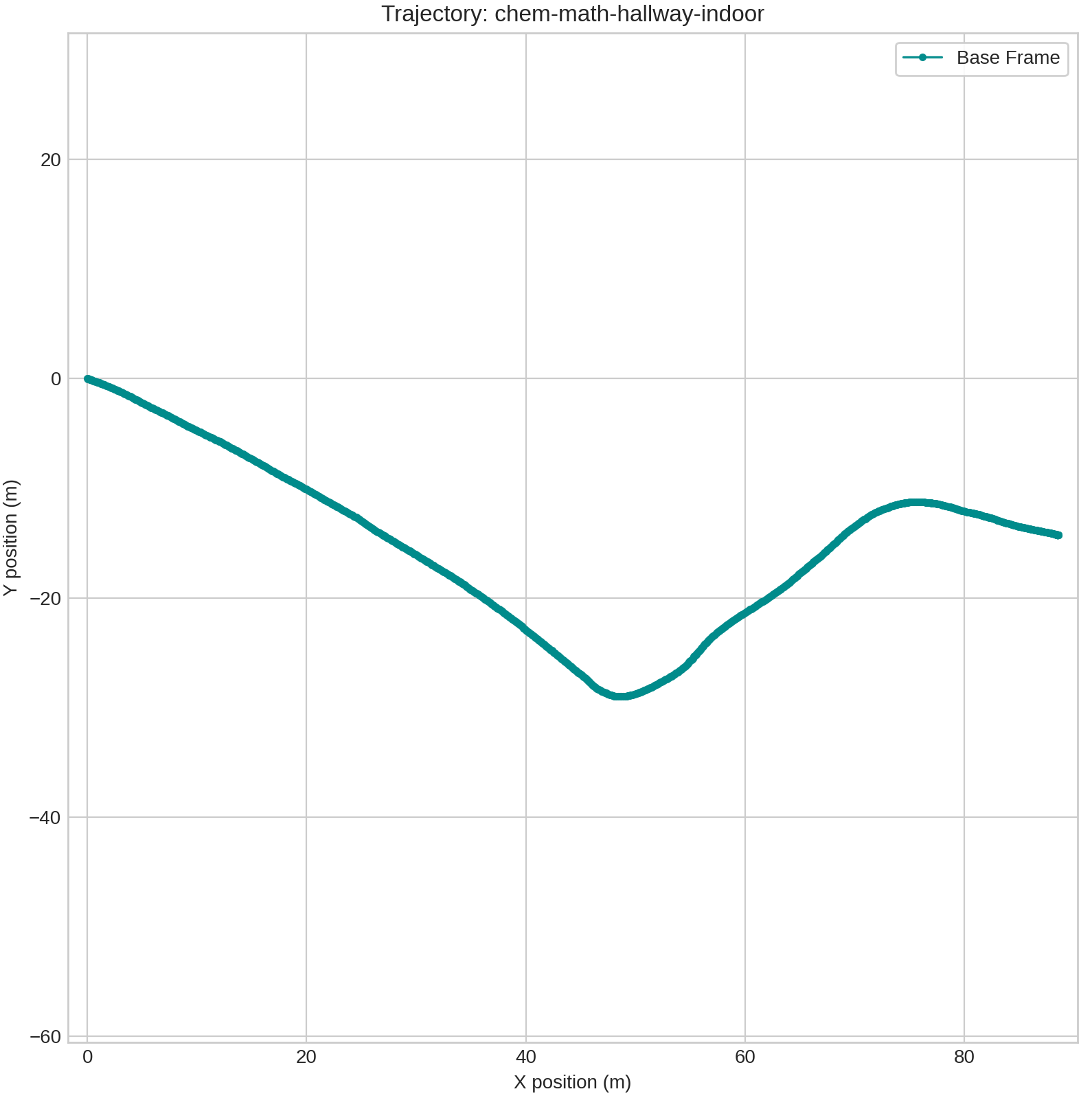
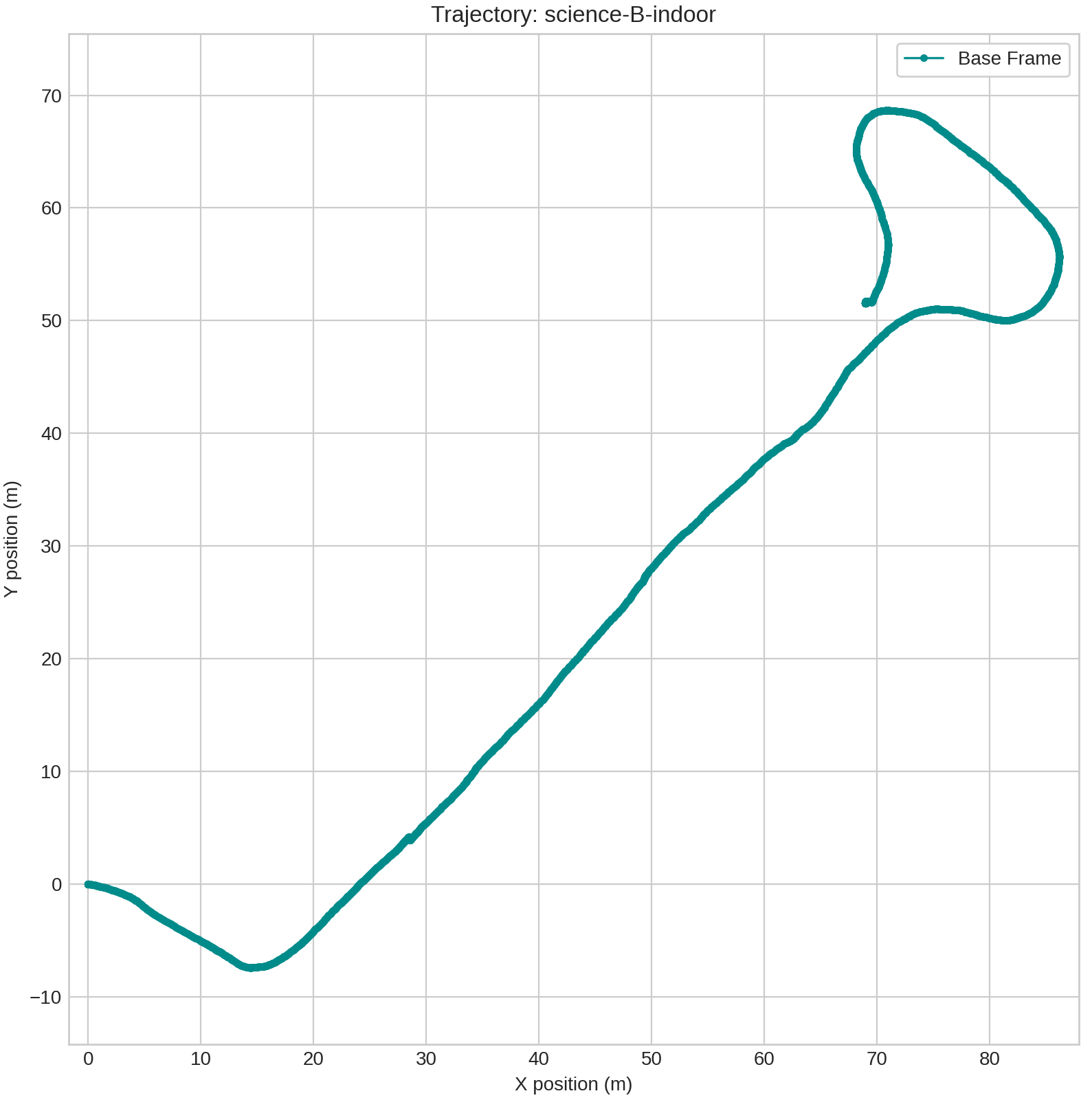
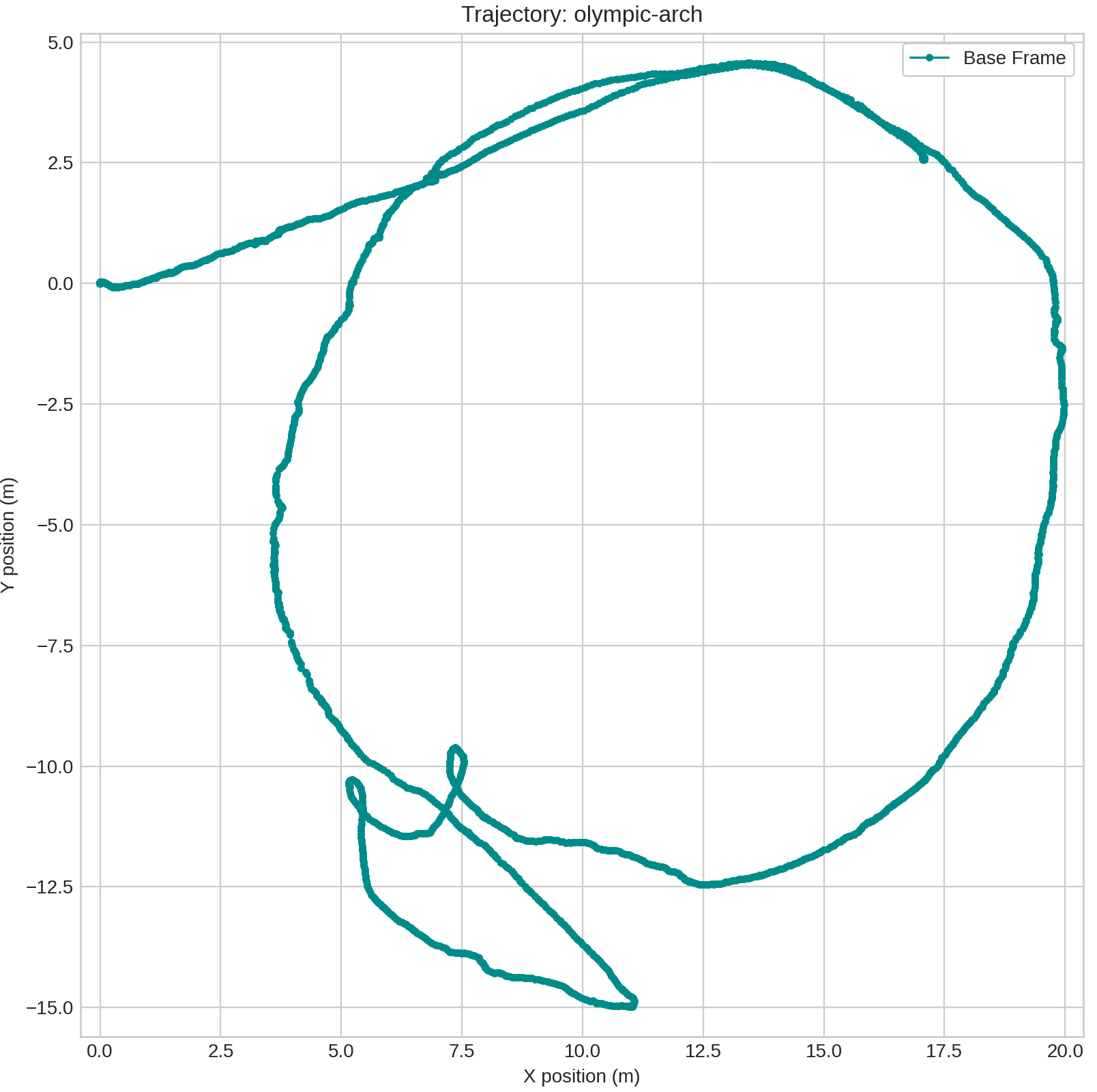
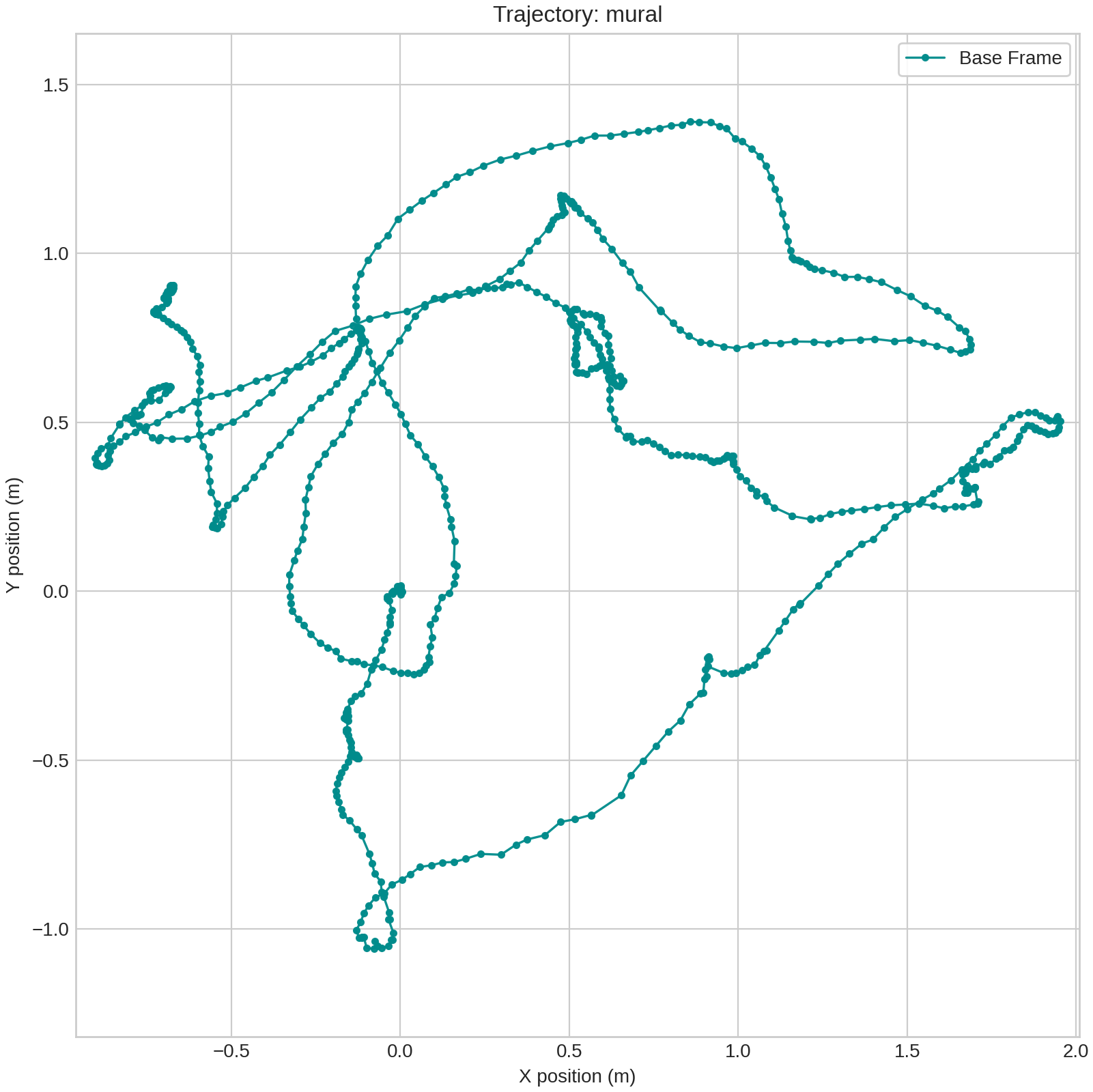
Visual Odometry & SLAM

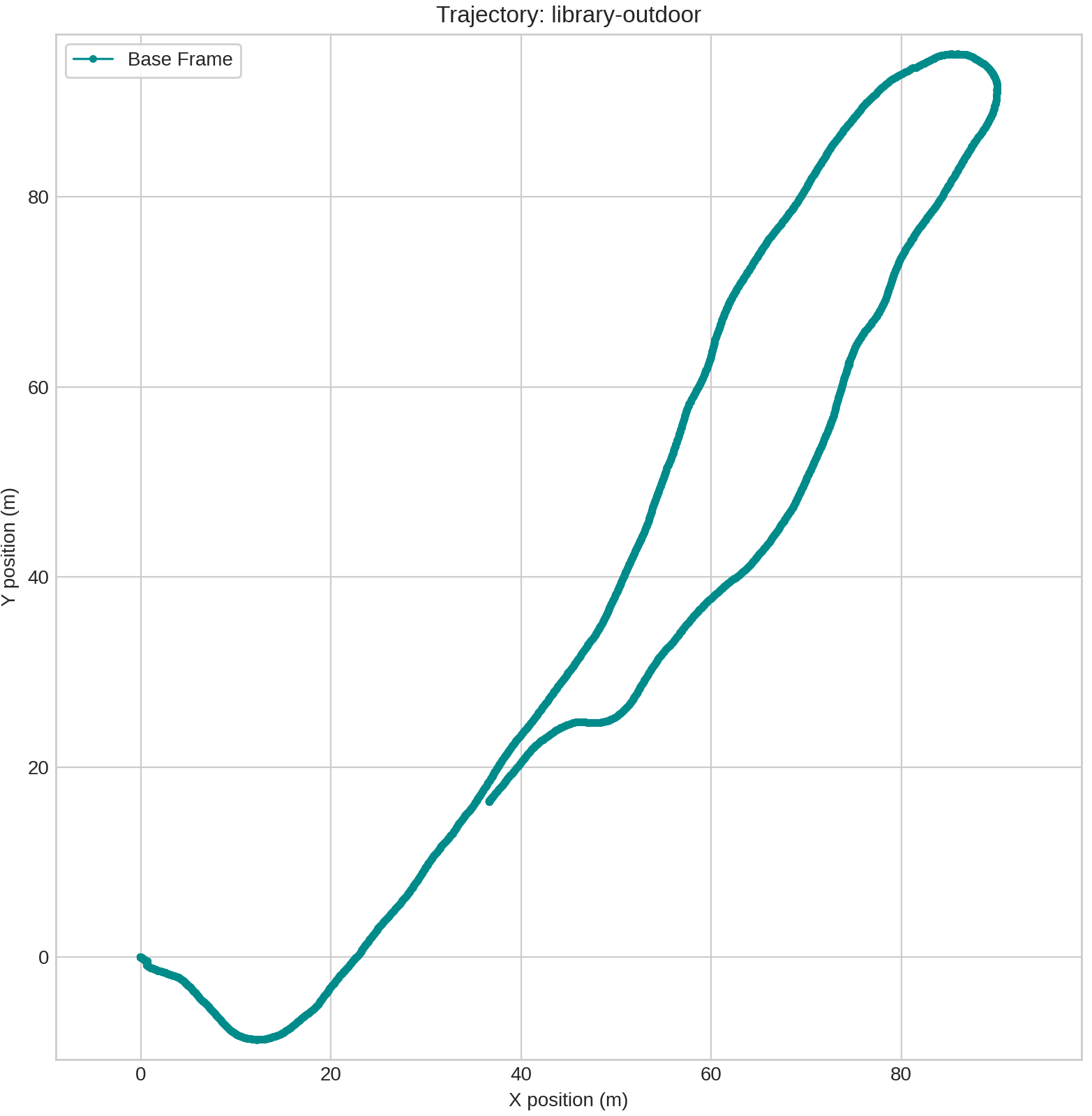
Monocular ORB-SLAM3 on 9 sequences across the University of Calgary campus. Ground truth from FAST-LIO2 LiDAR-inertial odometry, averaged over 10 runs. PSC gains are largest in long outdoor and loop-closure scenarios where residual distortion accumulates into drift.
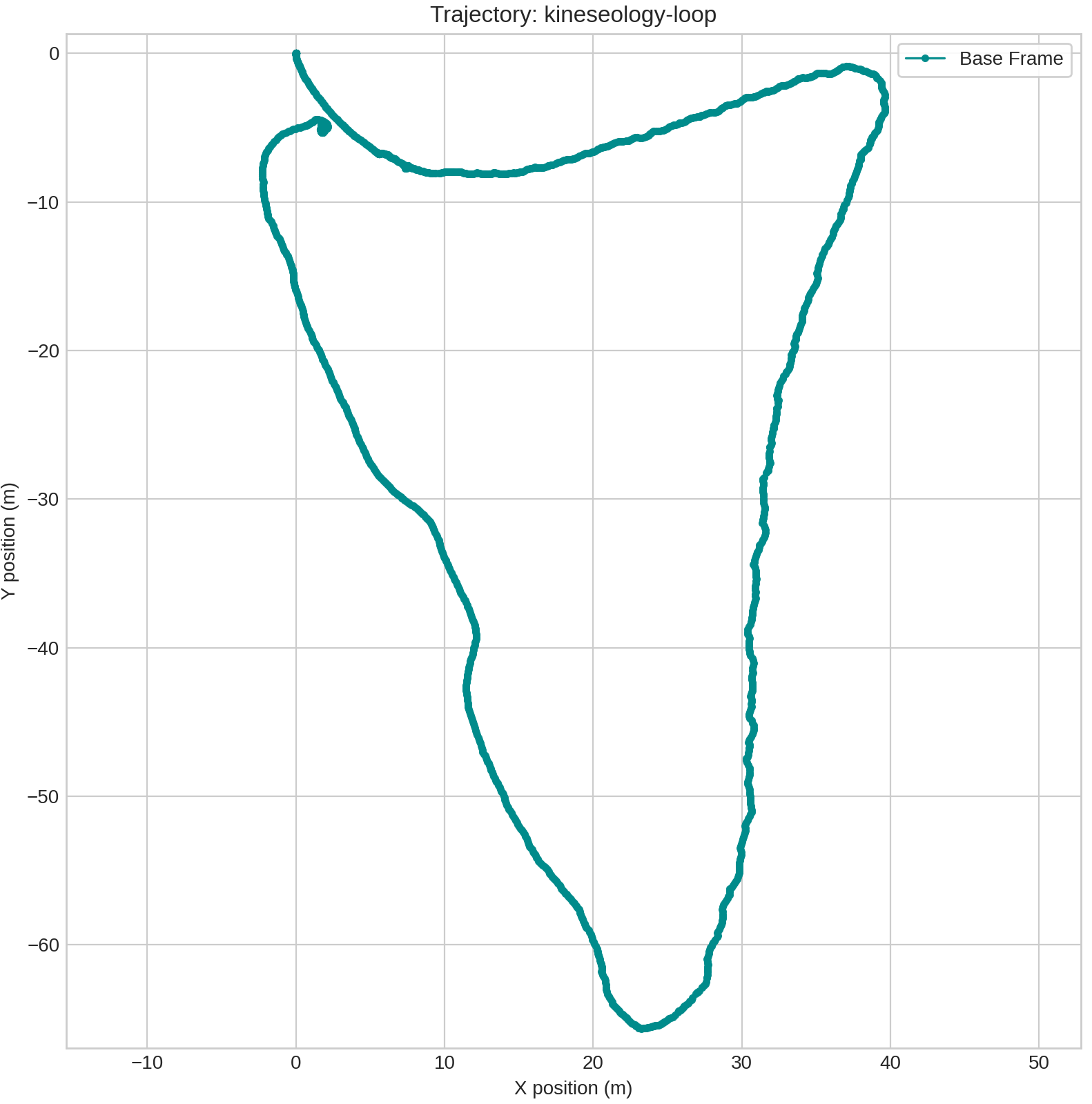
PSC (Bundle Adjustment) Checkerboard CF Ground Truth (FAST-LIO2)
Library Outdoor
Library Outdoor
Outdoor · Cart ~120 m
CF: 16.72 m→PSC: 1.21 m13.8×
Kinesiology Loop
Kinesiology Loop
Outdoor · Handheld ~35 m
CF: 6.91 m→PSC: 0.28 m24.7×
Chem-Math
Chem-Math Hallway
Indoor · Cart ~80 m
CF: 3.73 m→PSC: 0.43 m8.7×
Science-B
Science-B Hallway
Indoor · Cart ~80 m
CF: 4.39 m→PSC: 0.52 m8.4×
Olympic Arch
Olympic Arch
Outdoor · Handheld ~20 m
CF: 0.39 m→PSC: 0.19 m2.1×
Mural
Mural
Indoor · Small Scale
CF: 0.20 m→PSC: 0.08 m2.5×

Novel View Synthesis

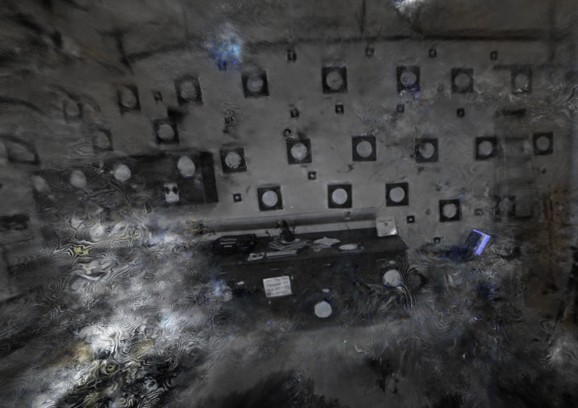
Nerfstudio Nerfacto (200K steps, no IOP refinement). Each scene card shows a draggable slider between PSC and CF renders. CF exhibits clouding, blurred text, and curved geometry — residual distortion the checkerboard solver failed to remove.

Calibration Laboratory
+5.4 dB
PSNR gain
+0.209
SSIM gain
3.2×
LPIPS ↓
CF v1 PSC v1
PSCCF ↔ Drag
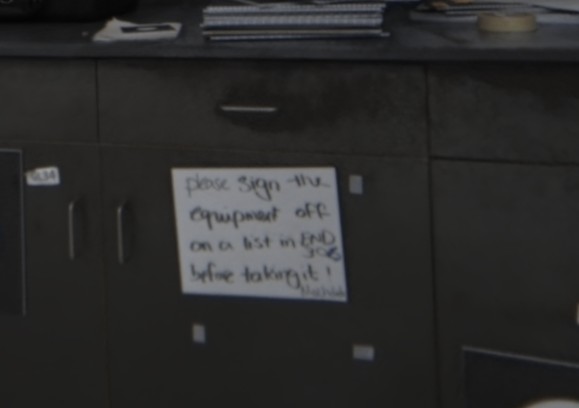
View 1 — pipes & clouding artifacts
CF v2 PSC v2
PSCCF ↔ Drag
View 2 — text sharpness

PSC PSNR 25.46 · SSIM 0.914 · LPIPS 0.127  |  CF PSNR 20.02 · SSIM 0.705 · LPIPS 0.411

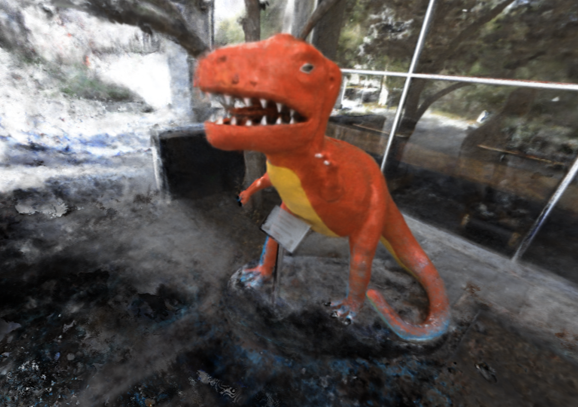
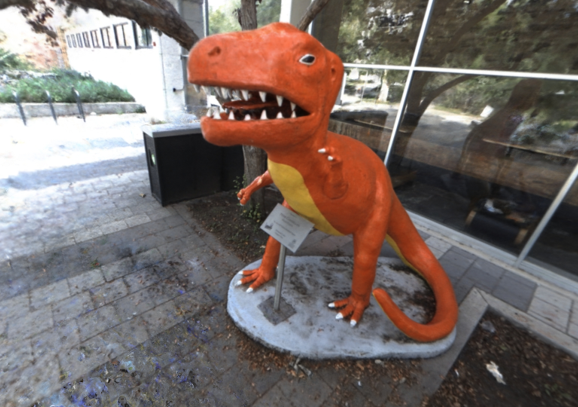
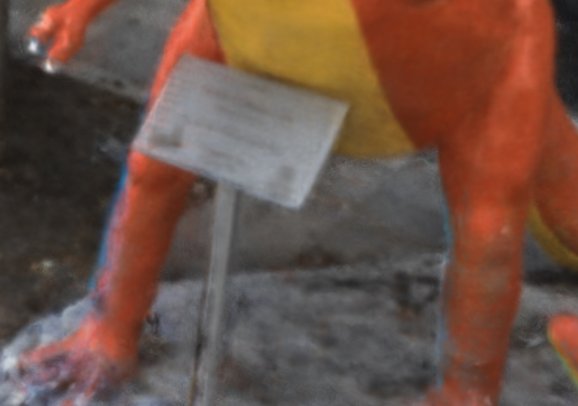
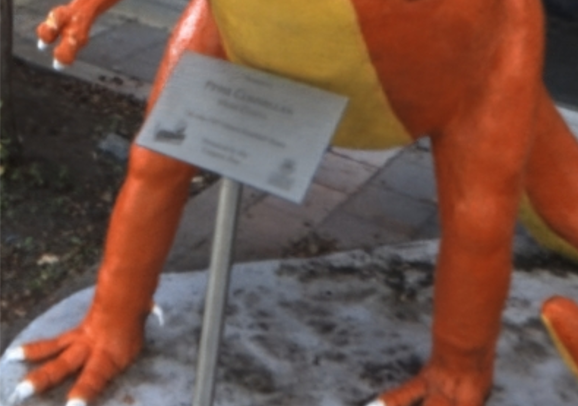
Dino (Outdoor · Largest PSNR gap)
+6.8 dB
PSNR gain
+0.293
SSIM gain
3.1×
LPIPS ↓
CF v1 PSC v1
PSCCF ↔ Drag
View 1
CF v2 PSC v2
PSCCF ↔ Drag
View 2

PSC PSNR 23.20 · SSIM 0.861 · LPIPS 0.129  |  CF PSNR 16.41 · SSIM 0.568 · LPIPS 0.396

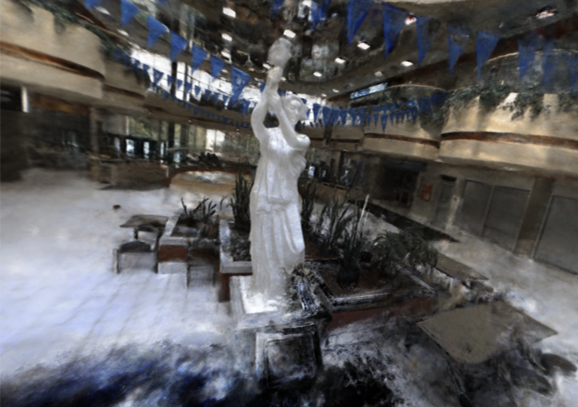
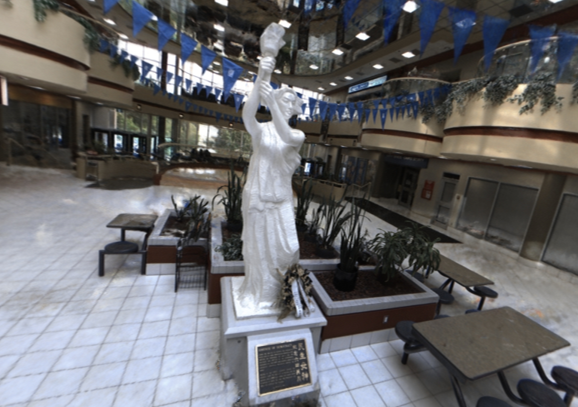
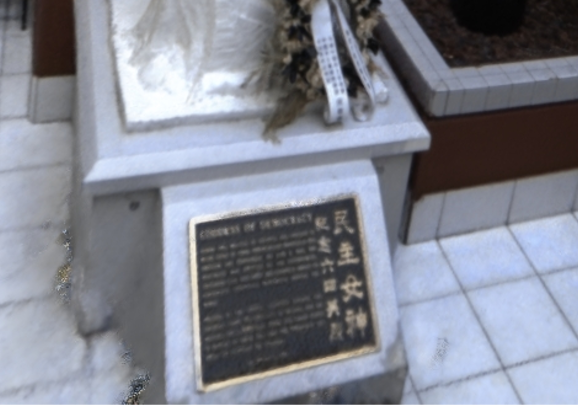
Eleutheria
+6.4 dB
PSNR
1.7×
LPIPS ↓
CF PSC
PSCCF ↔ Drag
CF v2 PSC v2
PSCCF ↔ Drag

PSC 24.11 dB · 0.807 SSIM  |  CF 17.67 dB · 0.634 SSIM

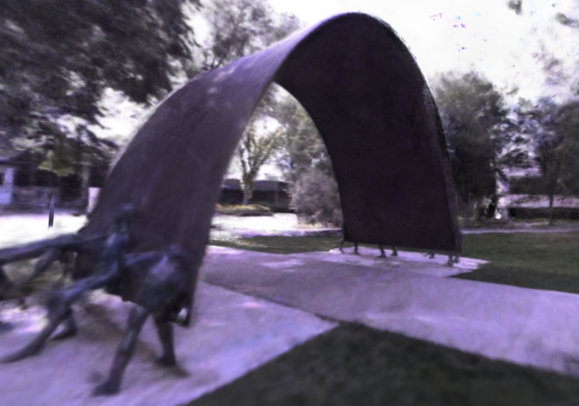
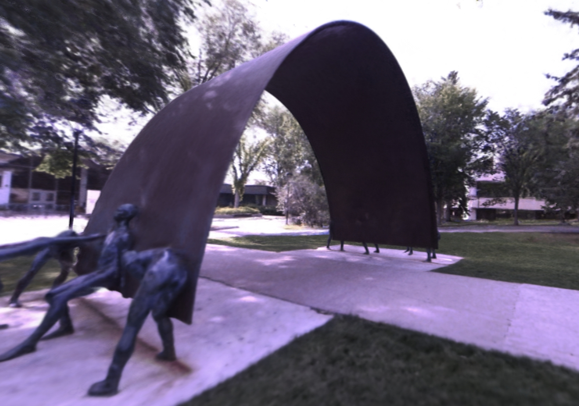
Olympic Arch
+6.5 dB
PSNR
3.8×
LPIPS ↓
CF PSC
PSCCF ↔ Drag
CF v2 PSC v2
PSCCF ↔ Drag

PSC 24.01 dB · 0.913 SSIM · LPIPS 0.089  |  CF 17.50 dB · 0.693 SSIM · LPIPS 0.341

NeRF Point Cloud — Calibration Lab
CF PC PSC PC
PSC — Denser geometry CF — Floaters & noise ↔ Drag
Quantitative Summary
Scene PSNR ↑ SSIM ↑ LPIPS ↓
PSCCF PSCCF PSCCF
Calib Lab25.4620.020.9140.7050.1270.411
Dino23.2016.410.8610.5680.1290.396
Eleutheria24.1117.670.8070.6340.2750.466
Olympic Arch24.0117.500.9130.6930.0890.341

Benchmark Datasets

PSC applied to raw calibration imagery from two public benchmarks — demonstrating that existing datasets can be recalibrated without any new hardware to improve downstream VO accuracy.

EuRoC-MAV — ATE RMSE (m)
SequenceModeDefault CFPSC
MH01VIO0.0740.038
MH02VIO0.2090.065
MH03VIO0.1930.087
MH02Mono VO45.0310.55
MH05Mono VO12.213.33
Oxford Spires — ATE RMSE (m)
SequenceDefault CFPSC
Keble College 020.8580.418
Keble College 040.3980.273
Observatory Qtr 010.3410.137
Observatory Qtr 020.3610.159

Citation

If this work is useful to your research, please consider citing:

@article{bharadwaj2026beyondcheckerboard, title = {Beyond Checkerboards: Advantages of Photogrammetric Camera Calibration for Robust 3D Vision and Novel View Generation}, author = {Bharadwaj, Akshay and Lichti, Derek D.}, journal = {International Journal of Computer Vision}, year = {2026}, note = {Under Review} }